Finding Highly Recommended Marietta Architecture Firms
Elevate Your Space: The Influence of Skilled Architectural Design Expertise
Professional architectural design services play an essential role in transforming spaces. They combine functionality with aesthetics, ensuring that each project meets both practical needs and visual standards. Designers utilize cutting-edge methods and eco-friendly approaches, tailoring their plans to meet neighborhood demands. Still, a great number of people do not realize how these solutions can reveal the hidden possibilities within their surroundings. Investigating the wide-ranging merits of collaborating with an architect exposes discoveries that could revolutionize any setting.
Unlocking the Value of Professional Architectural Design
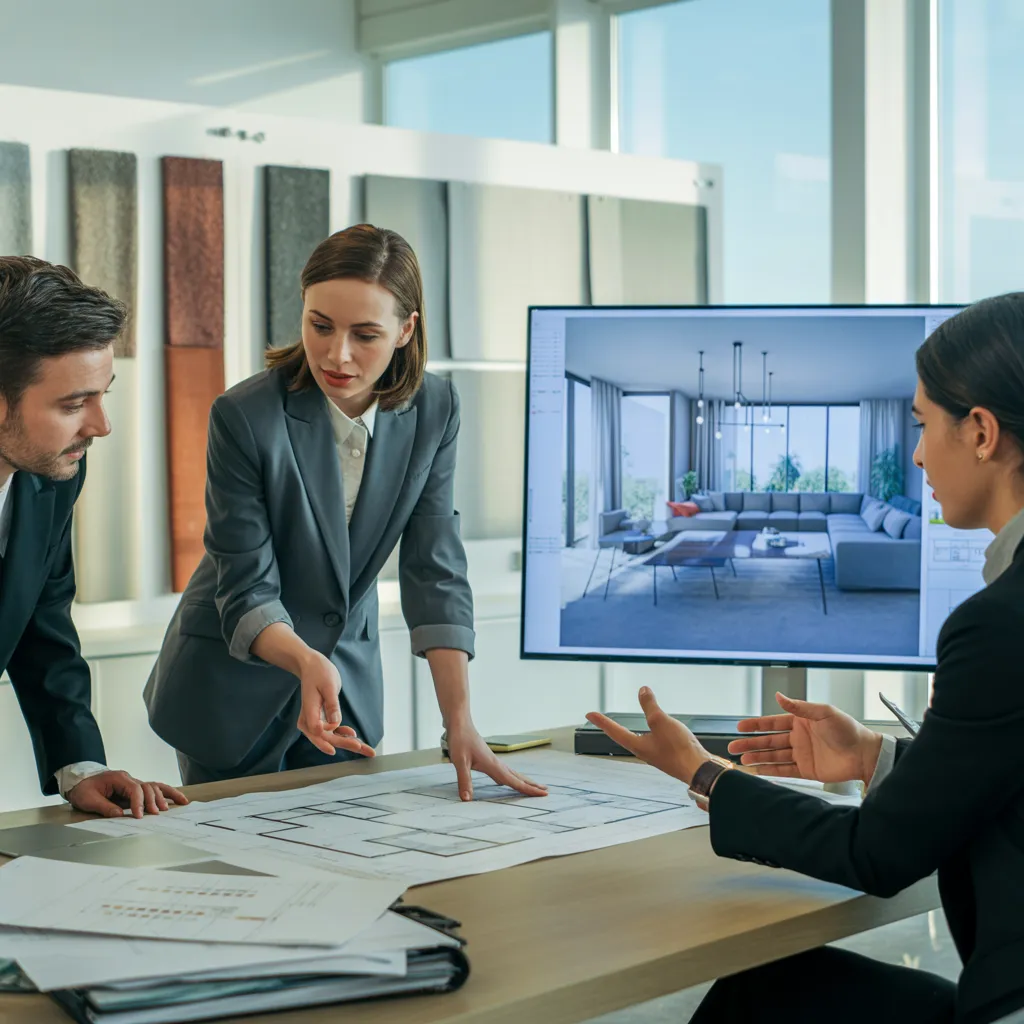
Showcasing the value of professional architectural design is crucial for optimizing both efficiency and design quality in any undertaking. Effective architectural design transcends simple visual appeal; it combines the principles of structural integrity, space planning, and environmental sustainability. By utilizing advanced techniques and a deep understanding of construction materials, architects design spaces that are not only beautifully appealing but also functional and purposeful.
Additionally, experienced architects take into account the distinct characteristics of every project, including climate, local regulations, and community needs. This holistic approach ensures that the architectural design is not only innovative but also complementary to its environment. They utilize modern technology, such as advanced 3D modeling, to give clients a clear picture of the final product. Ultimately speaking, investing in professional architectural design results in significant long-term advantages, elevating both the occupant experience and the long-term value of the property.
Top Advantages of Engaging an Architect for Your Design Project
Engaging an architect for a building project offers many benefits that elevate both the overall process and end result. Architects bring a broad range of skills, guaranteeing that projects comply with local regulations and building codes, which can eliminate costly complications down the line. Their ability to develop thorough plans and documentation helps streamline the construction process, reducing setbacks and miscommunication among contractors.
Moreover, architects are skilled in overseeing projects, handling diverse aspects of both the design and construction stages. This oversight guarantees that timelines and budgets are adhered to, providing clients with peace of mind. Furthermore, architects can identify potential challenges at the outset of the design phase, allowing for proactive problem-solving. Their expertise in construction materials and methods often produces innovative approaches that optimize efficiency and environmental responsibility. In the end, consulting an architect not only enhances the design undertaking but also enriches the entire process for clients.
Elevating Aesthetics and Functionality Through Architectural Proficiency
Architectural expertise plays a vital role in enhancing both aesthetics and functionality in construction projects. By applying creative design approaches, making the most of available space, and selecting sustainable materials, architects can create environments that are beautiful and highly functional. This methodology not only fulfills client requirements but also promotes environmental responsibility.
Advanced Design Strategies
Forward-thinking architectural solutions elevate spaces by effortlessly merging visual appeal with practicality. Design experts harness dynamic techniques to meet diverse client needs while enhancing visual appeal. By employing textures, hues, and structures that resonate with the environment, experts develop unified settings that reflect individual identities. Modern technology, including three-dimensional modeling and immersive simulation, allows for immersive simulations, allowing clients to preview designs prior to execution. In addition, incorporating eco-friendly methods confirms that aesthetics and sustainability go hand in hand. Through meticulous analysis of natural light, spatial dynamics, and circulation, these methods optimize usability and foster a sense of well-being. Above all, innovative design fosters a distinctive harmony between efficiency and aesthetic appeal, improving the character of everyday living and working areas.
Space Management Approaches
Making the most of space demands deliberate planning and innovative design approaches that enhance both aesthetics and functionality. Expert architectural design pertinent details firms utilize strategies like open floor plans, which eliminate unnecessary walls and foster a sense of spaciousness. Versatile furniture pieces can be incorporated to fulfill multiple roles, guaranteeing that every square foot is put to good use. Additionally, thoughtful placement of windows and mirrors can produce the effect of more expansive areas, drawing in natural light and enhancing visual depth. Architects further evaluate circulation patterns, making certain that navigation through a space is both natural and streamlined. By prioritizing these optimization techniques, architects reshape environments into cohesive spaces that not only appear attractive but also address the functional requirements of their inhabitants.
Eco-Friendly Material Selections
As sustainability becomes a priority, architects increasingly turn to environmentally conscious materials that elevate both form and function. Incorporating materials like recycled metal, bamboo, and reclaimed wood not only minimizes ecological footprint but also brings distinctive character to interiors. These choices contribute to a harmonious design, integrating naturally with the surrounding environment. Furthermore, integrating options such as energy-efficient glass and low-VOC paints elevates interior air quality and optimizes thermal performance, providing meaningful benefits to the health and comfort of those inside. By deliberately sourcing eco-friendly materials, architects design striking spaces that connect with environmentally aware clients. This approach fosters a more responsible architectural practice, showing that elegance and eco-consciousness can thrive together, while addressing the pressing need for environmentally friendly solutions in modern design.
How Technology Shapes Today's Architectural Designs
Currently, numerous technological advancements heavily affects architectural design, redefining how structures are planned and developed. BIM technology allows architects to generate comprehensive three-dimensional models, promoting better teamwork among all parties involved and securing accuracy throughout the planning phase. Moreover, virtual reality (VR) and augmented reality (AR) permit clients to visualize areas ahead of the building phase, making design decisions more informed and intuitive.
Advancements in technology have further strengthened sustainability, with energy analysis software enabling architects to refine building performance by evaluating energy demands and environmental consequences. Moreover, innovative materials and building methods, such as prefabrication and 3D printing, simplify the building process, lowering overall costs and construction time. The use of drones and robotics for site evaluations and inspections is growing, providing real-time data that improves accuracy and safety. Ultimately, technology serves to elevate creativity while ensuring that architectural solutions fulfill current expectations for efficiency and environmental responsibility.
Widespread Misunderstandings About Architectural Services
Many individuals harbor false beliefs about architectural services, assuming they are excessively costly and that architects solely concentrate on building design. This restricted outlook disregards the broad spectrum of services architects deliver, including planning and consultation. Recognizing these misunderstandings is vital for recognizing the real worth of architectural expertise.
Architectural Services Can Be Costly
The belief that architectural services are prohibitively expensive often originates from misunderstandings about their value and scope. A great number of clients associate elevated prices with a lack of affordability, overlooking the long-term benefits that professional design can offer. Architectural services involve more than just blueprint creation; they require extensive planning, regulatory compliance, and innovative problem-solving. By committing to these services, clients often save money in the long run through efficient resource use, reduced construction errors, and increased property value. In addition, the complexity of a project can greatly affect costs, making it crucial to understand that a well-planned design can lead to substantial financial savings. Ultimately, regarding architectural services as an investment rather than an expenditure can shift viewpoints and strengthen recognition of their importance.
Architects Only Design Buildings
A frequent misunderstanding is that architects are exclusively concerned with designing structures. The fact is, their professional capabilities go much further than basic building design. Architects engage in city planning, landscape design, and interior spaces, creating cohesion among multiple elements. They partner with clients to design purposeful environments that elevate the standard of living. Furthermore, architects participate in sustainability initiatives, incorporating environmentally conscious approaches into their work. They often work on public spaces, parks, and community projects, addressing social needs and improving urban infrastructure. Moreover, architects provide valuable insights during renovation and restoration projects, preserving historical significance while adapting to modern needs. This versatile profession highlights their significance in influencing not only structures, but whole neighborhoods and surroundings.
Choosing the Right Architect for Your Design Needs
How does one confirm that the architect they choose matches their specific design vision? Finding the right architect requires close attention to multiple important aspects. First, looking through an architect's portfolio can provide insight into their aesthetic approach and skill set. This process allows prospective clients evaluate whether the architect's past projects reflects their personal design tastes.
Furthermore, proper communication is critically important. Conducting preliminary meetings helps clients communicate their ideas and requirements effectively. An architect's ability to listen and respond thoughtfully demonstrates their devotion to comprehending the client's expectations.
Moreover, examining references and testimonials from clients can uncover the architect's professionalism and dependability. It is important to verify that the architect has experience relevant to the project's specific requirements, whether for residential or commercial purposes. At the end of the day, a properly chosen architect can turn a vision into reality, making the choice of architect pivotal for successful architectural outcomes.
Notable Accomplishments in Architectural Design
Transforming visions into reality, remarkable architectural achievements demonstrate the profound impact of deliberate planning and artistic execution. One notable example is the transformation of a heritage warehouse into a thriving community hub. Architects meticulously preserved original features while incorporating contemporary facilities, creating an environment that encourages interaction and community involvement.
A further remarkable instance involved a sustainable residential project that employed sustainable materials and cutting-edge design methods. This method not only lowered emissions but also fostered a cohesive and sustainable living atmosphere, setting a benchmark for future developments.
Within city environments, the transformation of neglected areas into lush recreational areas showcases how strategic design can improve the quality of life for residents. Every project embodies a focus on elevating visual appeal and usability, revealing how professional architectural services can elevate spaces and improve quality of life. These accomplishments act as compelling evidence of the extraordinary capacity of thoughtful urban planning in building lasting environments that inspire communities ahead.
Questions We Often Receive
What Certifications Should I Look for in an Architect?
When looking for an architect, it is important to prioritize qualifications such as a relevant degree, valid professional credentials, varied portfolio experience, strong communication skills, and familiarity with the intended project type to secure efficient teamwork and positive outcomes.
What Is the Typical Duration of the Architectural Design Process?
The architectural design process usually spans three to six months on average, based on project complexity, client requirements, and regulatory approvals. Effective communication and collaboration can help accelerate this schedule, making certain the completed design is provided promptly.
What Are the Expenses Involved in Hiring an Architect?
The fees involved in employing an architect generally fall between 5% and 15% of the total project budget, depending on complexity and scope. Additional fees may arise for meetings, revisions, and specialized offerings throughout the design process.
Do Architects Provide Help With Permits and Zoning Regulations?
Certainly, architects can assist with zoning laws and permit requirements. Their specialized knowledge secures adherence to local regulations, streamlining the application process and decreasing the likelihood of delays, ultimately ensuring the successful completion of a project.
How Do I Effectively Convey My Vision to an Architect?
To communicate effectively with an architect, one must gather visual references, articulate specific needs, share personal preferences, and stay receptive to recommendations. Clear communication and teamwork encourage meaningful conversation, ensuring the vision aligns with architectural expertise.
Advance